

What Is Biltong? South Africa’s Most Beloved Snack
Few foods capture the spirit of South Africa like biltong — a savoury, air-dried meat snack loved across the country and around the world. Whether it’s enjoyed on a road trip, packed into a lunchbox, or shared around the braai, biltong is more than just a snack — it’s a symbol of South African heritage, flavour, and craftsmanship.
At Northern Food Ingredients, we understand the art and science behind great biltong. From the perfect blend of spices and herbs to the careful curing process, every detail matters when it comes to producing quality, flavourful meat snacks that stand out.
This guide explores what biltong is, how it’s made, the different types available, and how suppliers, butchers, and manufacturers across South Africa continue to perfect this time-honoured product.
What Exactly Is Biltong?
Biltong is a traditional South African dried and cured meat, typically made from beef but also produced using game meats such as kudu, ostrich, or springbok.
Unlike jerky — which is cooked or smoked — biltong is air-dried, giving it a rich, tender texture and deep flavour. The name “biltong” comes from the Dutch words “bil” (rump) and “tong” (strip or tongue), describing how the meat was originally cut and cured.
Biltong originated in the 17th century when Dutch settlers preserved meat for long journeys across Southern Africa. Over generations, this technique evolved into a culinary tradition, with each region — and often each family — developing its own signature spice blend and drying style.
How Biltong Is Made
Making biltong is both an art and a science. It requires the right combination of quality meat, salt, vinegar, and spices, along with time and airflow to achieve that signature dry yet tender consistency.
Here’s how the process works:
1. Selecting the Meat
Quality starts with the cut. Most producers use silverside or topside beef, as these lean cuts allow for even drying and minimal fat spoilage. Game biltong uses venison, ostrich, or even wild boar for distinctive flavours.
2. Preparing the Marinade
Meat strips are coated in a mix of vinegar, salt, sugar, coriander, pepper, and other spices. The vinegar helps preserve the meat, while the salt draws out moisture. At Northern Foods, our spice blends are designed to maintain balance — enhancing flavour while supporting consistent curing.
3. Seasoning and Curing
After marinating for several hours or overnight, the meat is seasoned again before drying. Traditional South African seasoning often includes:
-
Coriander seeds
-
Black pepper
-
Brown sugar
-
Sea salt
-
Chilli flakes or paprika (optional)
-
Vinegar (malt or apple cider)
4. Air-Drying
The meat is hung in a well-ventilated, temperature-controlled space for several days — usually between 3 to 7 days — depending on humidity and the desired dryness. Modern producers use climate-controlled biltong dryers, but many traditionalists still rely on natural airflow for an authentic finish.
5. Slicing and Packaging
Once dried, biltong is cut into thin slices, sticks, or chunks, then vacuum-sealed or packaged for retail and wholesale.
The Key Difference Between Biltong and Jerky
While both are dried meat snacks, biltong differs from jerky in several ways:
| Feature | Biltong | Jerky |
|---|---|---|
| Origin | South Africa | United States |
| Drying Method | Air-dried | Cooked or smoked |
| Texture | Soft and chewy | Dry and tough |
| Flavour | Tangy and savoury | Smoky and sweet |
| Cuts Used | Thick, whole strips | Thin, small pieces |
The result is a snack with richer, more natural beef flavour and a tender bite, perfect for health-conscious consumers looking for high-protein, low-carb foods.
Different Types of Biltong
Biltong comes in many forms — each offering a slightly different texture, taste, or purpose. Here are the most common varieties found across South Africa:
1. Traditional Beef Biltong
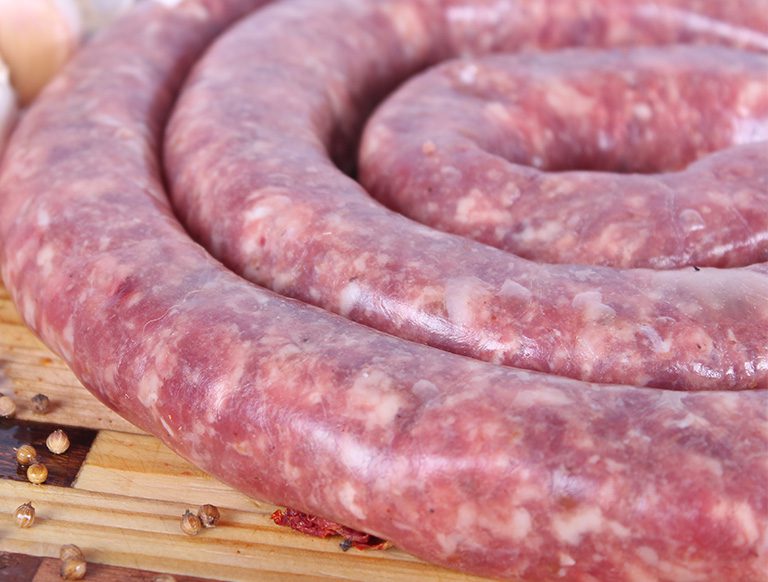
The classic variety made from silverside or topside beef. It’s rich, slightly tangy, and seasoned with coriander, salt, and pepper. Often enjoyed as sliced pieces or thick “chunks.”
2. Game Biltong
Using meat from kudu, springbok, impala, or eland, game biltong is leaner and has a more intense, earthy flavour. It’s a favourite among outdoor adventurers and safari enthusiasts.
3. Ostrich Biltong
A healthier, low-fat alternative with a subtle, slightly sweet taste. Popular among athletes and health-focused consumers, ostrich biltong delivers a powerful protein boost.
4. Chicken and Turkey Biltong
Made using lean poultry cuts, often seasoned with mild spices. A modern take for consumers who prefer white meat or want a lighter snack option.
5. Chilli Biltong
A fiery version that adds heat with crushed chilli or peri-peri spice. Perfect for those who like a bit of kick with their savoury snack.
6. Garlic or BBQ Biltong
Flavoured with garlic, barbecue, or smoky seasonings for a bold, modern twist. These blends are increasingly popular among export markets.
7. Dry Biltong (Snap Sticks)
Thin, crunchy strips often called biltong sticks or snap sticks. Ideal for road trips or casual snacking. They have a longer shelf life and are easy to pack.
8. Wet or “Soft” Biltong
Dried for a shorter time to keep the inside moist and tender. This version is often thicker and more flavourful, preferred by traditionalists who like a softer bite.
9. Spicy or Peri-Peri Biltong
Infused with strong African or Portuguese-inspired spice blends for vibrant, layered heat.
10. Gourmet Biltong
Premium cuts marinated with craft vinegars, herbs, or infused oils, appealing to upscale markets and export clients.
The Role of Spices and Marinades in Perfecting Biltong
The soul of good biltong lies in its seasoning. Spices bring flavour, aroma, and even preservation benefits. Northern Food Ingredients supplies high-quality bulk spices, herbs, and seasoning blends to butchers, wholesalers, and food manufacturers across South Africa.
Popular Biltong Spice Ingredients:
-
Coriander – the signature spice of South African biltong.
-
Black Pepper – adds sharp, aromatic heat.
-
Brown Sugar – balances saltiness and aids caramelisation.
-
Chilli or Paprika – for warmth and colour.
-
Garlic and Onion Powder – depth of flavour for modern blends.
-
Salt and Vinegar – essential for curing and preservation.
With the right spice blend, producers can tailor biltong to different markets — from traditional South African tastes to export-ready gourmet varieties.
Health Benefits of Biltong
Beyond its incredible flavour, biltong is packed with nutrition. It’s a natural, high-protein snack with minimal additives or processing.
Key Benefits Include:
-
High in Protein: Ideal for muscle repair and energy.
-
Low in Carbs: Perfect for keto and low-carb diets.
-
Rich in Iron and Zinc: Supports immunity and blood health.
-
No Artificial Additives: Traditional curing avoids chemical preservatives.
-
Portable and Shelf-Stable: Great for travel, outdoor activities, or lunchboxes.
Biltong is often recommended as a healthier alternative to chips or sugary snacks, especially for fitness enthusiasts and busy professionals.
Supplying the Ingredients Behind South Africa’s Best Biltong
At Northern Food Ingredients, we supply the spices, herbs, seasonings, and marinades that help South Africa’s top butchers and biltong manufacturers craft their signature flavours.
From bulk coriander and pepper to custom spice blends and curing salts, we partner with producers who demand quality, consistency, and freshness.
We also supply food chemicals, sauces, and machinery, providing a complete wholesale solution for the meat processing and foodservice industry.
Whether you’re an artisan biltong maker or an established manufacturer, Northern Foods has the ingredients you need to keep your production running — and your customers coming back for more.
Frequently Asked Questions About Biltong
1. Is biltong raw meat?
No. Biltong is air-dried and cured using vinegar and salt, which make it safe to eat. It’s not cooked, but the drying process removes moisture, preventing bacterial growth.
2. How long does biltong last?
Properly stored biltong can last several months when vacuum-sealed and kept cool. Softer biltong has a shorter shelf life due to higher moisture content.
3. Can you make biltong at home?
Yes, with the right spices and a biltong box or dehydrator. Northern Foods supplies the essential ingredients to make authentic biltong at any scale.
4. What’s the best cut of meat for biltong?
Silverside and topside beef cuts are ideal because they’re lean, uniform, and dry evenly.
5. Why is biltong so popular in South Africa?
Biltong combines flavour, nutrition, and convenience. It’s part of South African culture — a snack that’s both traditional and modern, enjoyed across generations.
Conclusion
From its origins as a survival food to its current status as a gourmet snack, biltong remains a cornerstone of South African cuisine. Each bite tells a story of tradition, craftsmanship, and local flavour.
At Northern Food Ingredients, we’re proud to support the people and businesses who keep this tradition alive — supplying the spices, marinades, and food ingredients that make exceptional biltong possible.
Whether you’re producing in bulk, refining your recipe, or exploring new flavour ideas, we’re here to help your business grow — one perfectly seasoned batch at a time.