

Essential Butchery Equipment: Tools Every Butcher Needs
Running a professional butchery or meat processing business requires more than skill — it requires the right equipment. From meat preparation to packaging, having reliable tools ensures efficiency, consistency, and safety. Below is a detailed guide to essential butchery equipment for professional and retail operations.
1. Meat Processing Equipment
The heart of any butchery is its meat processing equipment. These machines handle large cuts, reduce labour, and allow precise preparation for retail or commercial sale.
-
Band Saw
Ideal for cutting through large pieces of meat and bone, band saws save time and ensure consistent portion sizes. Available in manual and industrial-grade options, they are indispensable for medium to large butcheries. -
Meat Grinder / Mincer
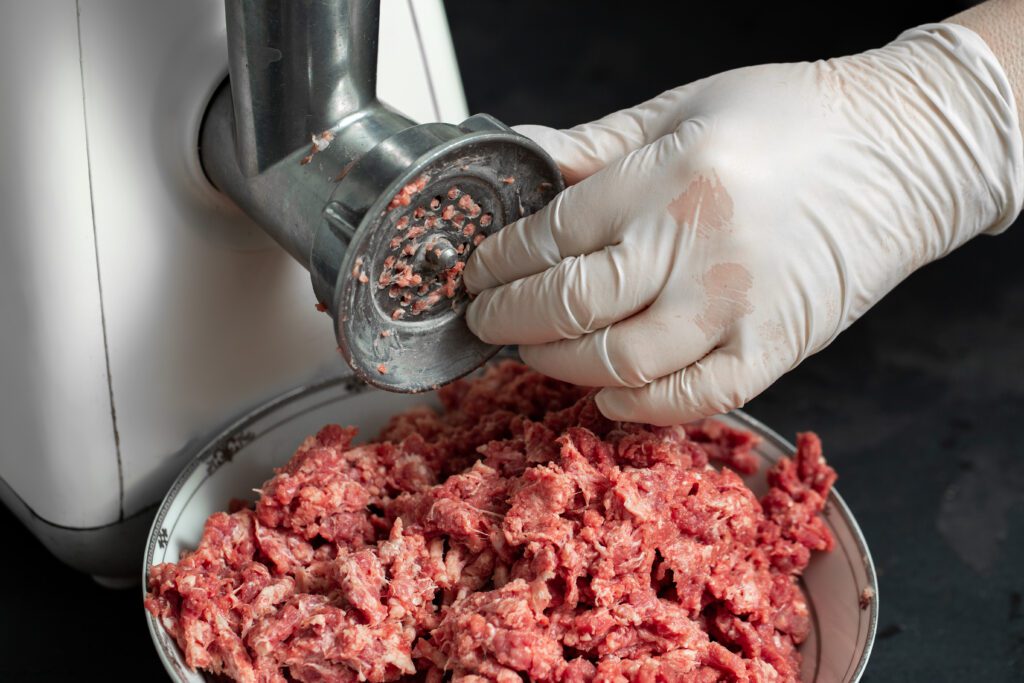
Essential for producing ground meat, sausages, and meat mixtures. Modern grinders often include attachments for different textures and sizes, allowing versatility in product offerings. -
Meat Slicer
Used in delis and butcheries, a meat slicer ensures precision cuts for hams, salami, and other processed meats. Adjustable thickness settings allow for uniform presentation. -
Bone Saw (Manual or Electric)
Designed specifically for cutting through bones safely. Electric bone saws provide speed and efficiency, while manual versions are suitable for smaller-scale operations. -
Meat Tenderizer
Helps soften tougher cuts of meat, making them more appealing to customers and easier to cook. Manual or pneumatic tenderizers are available depending on volume. -
Sausage Stuffer
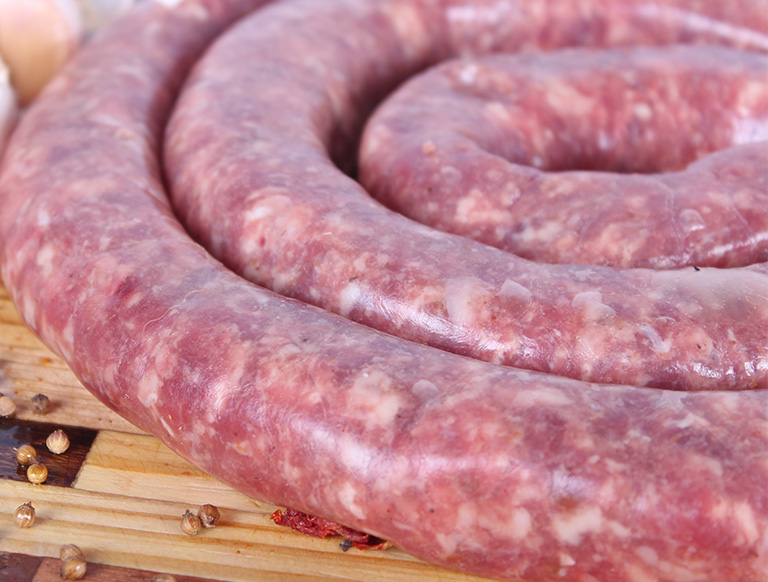
Essential for producing uniform sausages. Available in manual, electric, or pneumatic versions, sausage stuffers help streamline production and improve consistency. -
Mixing Bowls & Meat Mixers
Used for combining meat, fat, and spices evenly. Large capacity mixers save time, especially for high-volume production, ensuring consistent texture and flavour in sausages or meat products.
2. Cutting & Preparation Tools
Quality hand tools remain critical in every butchery. They complement machinery and allow for precision, safety, and proper meat handling.
-
Butcher Knives (Various Types)
Different knives serve different purposes:-
Boning knives – for separating meat from bones.
-
Breaking knives – for larger cuts.
-
Skinning knives – for removing hides or skin.
-
Cleavers – for chopping through bone and tougher cuts.
-
-
Knife Sharpener / Honing Steel
Sharp knives are safer and more efficient. Regular honing and sharpening prevent accidents and maintain cutting precision. -
Cutting Boards (Preferably Color-Coded)
Using color-coded boards helps prevent cross-contamination:-
Red – raw meat
-
Blue – fish
-
Green – vegetables
-
Yellow – cooked meat
Durable, non-porous boards ensure hygiene and long-lasting use.
-
3. Weighing & Packaging
Accurate weighing and packaging ensure customer satisfaction, reduce waste, and extend product shelf life.
-
Digital Scales
Provide precise portioning for retail sales or bulk orders. Scales with tare functions make packaging easier. -
Vacuum Sealer
Essential for preserving freshness, vacuum sealers remove air to extend shelf life of meats, sausages, and marinated products. -
Packaging Materials
Include:-
Vacuum bags
-
Butcher paper
-
Cling wrap
-
Labels for product information, expiry dates, and branding
-
Proper packaging not only maintains freshness but also improves presentation and customer confidence.
4. Complementary Items
To complete your butchery setup, consider these complementary items that enhance the customer experience and support daily operations:
-
Spices and Marinades
Offer a range of flavourings that can be applied to bulk meat or used for ready-to-cook products. Pre-mixed marinades can save preparation time and ensure consistency. -
Sauces and Condiments
Stock sauces like BBQ, peri-peri, or steak sauces to add value to products and create meal solutions for customers. -
Knives and Meat Thermometers (Retail)
Offering high-quality knives and thermometers for home use can boost retail sales. Customers appreciate tools that allow them to replicate professional results in their kitchens. -
Gloves, Aprons, and Hygiene Gear
Essential for staff safety, hygiene, and compliance with health regulations.
Tips for Choosing the Right Butchery Equipment
-
Assess Your Volume – Choose equipment based on the scale of your operation. High-volume butcheries need industrial-grade machinery, while smaller shops may operate efficiently with manual or semi-automatic tools.
-
Prioritize Safety – Look for safety features on machines, such as emergency stops, blade guards, and non-slip surfaces.
-
Consider Hygiene and Cleaning – Stainless steel equipment, easy-to-clean surfaces, and dishwasher-safe components are ideal for maintaining high hygiene standards.
-
Invest in Durability – Quality equipment may have a higher upfront cost but saves money in the long run due to longevity and reliability.
-
Training and Maintenance – Ensure staff are trained in safe handling, and schedule regular maintenance to prevent downtime.
Conclusion
A successful butchery depends on the right combination of machinery, hand tools, and complementary items. From meat processing equipment like band saws and grinders to cutting tools, weighing devices, and packaging solutions, Northern Food Ingredients and other suppliers provide everything you need to run an efficient, safe, and profitable operation.
Complementing machinery with spices, marinades, and retail tools not only enhances the quality of your products but also adds value for customers. Whether you are running a large-scale commercial butchery, a deli, or a specialty meat shop, investing in essential butchery equipment ensures consistent product quality, operational efficiency, and customer satisfaction.